
Save £40 on initial consultations

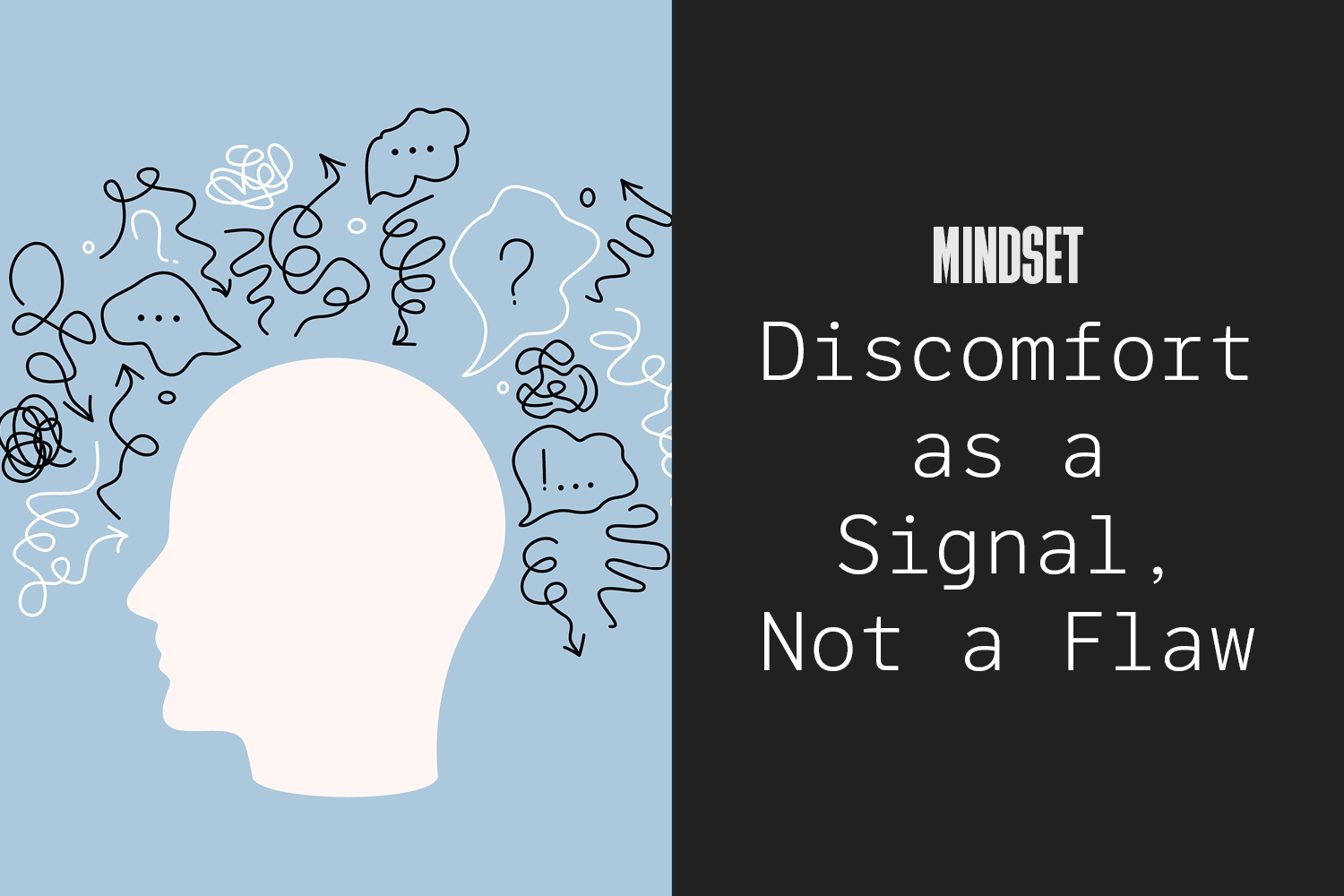
There’s a script most of us follow. When asked how we are, the answer is almost always, “Fine.”
We say it when we’re tired, overwhelmed, or in pain. There’s often a quiet apology in our voice when we admit to not feeling okay, as if our discomfort is an inconvenience to others. We treat pain like a personal failure, a sign of weakness that needs to be hidden or fixed before anyone notices.
But what if your pain isn’t a fault? What if it’s a message? An unfriendly, but honest, truth from a body that has something to say.
Pain doesn’t show up to punish you. It shows up to inform you.
A headache that arrives every afternoon isn’t a random malfunction. A back that seizes up isn’t just bad luck. These are signals. They are the body’s brutally honest feedback system, letting you know that a limit has been reached or a need has been ignored.
We live in a culture that wants to silence these messages as quickly as possible. But by rushing to numb the signal, we often miss the point entirely.
The body isn’t trying to be difficult; it’s trying to be clear. The discomfort is the message.
Think about the last time you sat in a meeting, clenching your jaw. The time you agreed to a favour with a smile while your shoulders tightened into knots. The moments you swallowed your disagreement to keep the peace.
Your body keeps a record of these moments.
The pressure to be agreeable, helpful, and non-confrontational can create a gap between what you truly feel and what you express. Your body often has to absorb the difference.
That tension isn’t random; it’s the physical shape of an unspoken “no.” It’s the weight of being liked. Your symptoms are sometimes just the echo of a boundary you didn’t set.
When your body is sending clear signals of distress—tension, pain, exhaustion—it’s drawing a line. It’s communicating that a boundary has been crossed.
We’re often taught that our boundaries require justification. That “no” is a complete sentence, but only if you have a good enough reason to back it up.
But your body doesn’t work that way. Its signals are the reason. The pain is the explanation.
Honouring that signal doesn’t require a consensus. It doesn’t need to be convenient for anyone else. It simply needs to be respected, starting with you.
The modern impulse is to fix discomfort immediately. To stretch it, numb it, distract from it. But what if you just listened to it first?
What if you sat with the tightness in your chest and noticed how it connects to your breath? What if you paid attention to the ache in your lower back without rushing to judge it?
This isn’t about surrendering to pain. It’s about giving it your attention.
When you stop fighting the sensation and start listening to the information it carries, something shifts. The need for the signal to shout so loudly often diminishes. Emotional honesty allows the body to feel safe enough to let go.
True self-respect isn’t about performance. It’s not about being the most productive or the most accommodating. It’s about having the quiet courage to honour your own signals, even when no one else is clapping.
It’s choosing to rest when you’re tired, even if the to-do list is long. It’s allowing yourself to feel what you feel, without apology.
At Ground Chiropractic, we see this every day. The adjustment is important, but the real change happens when you give yourself permission to listen to the unfriendly truths your body has been telling you all along.
It’s in that quiet, honest space that your nervous system finally gets the message: it’s safe to stand your ground. And often, that’s when the pain starts to lose its voice.

Regus Building, 1000 Lakeside North Harbour, Western Road Building, Portsmouth PO6 3EZ

Branding & website design by theshapingbay.com