
Save £40 on initial consultations

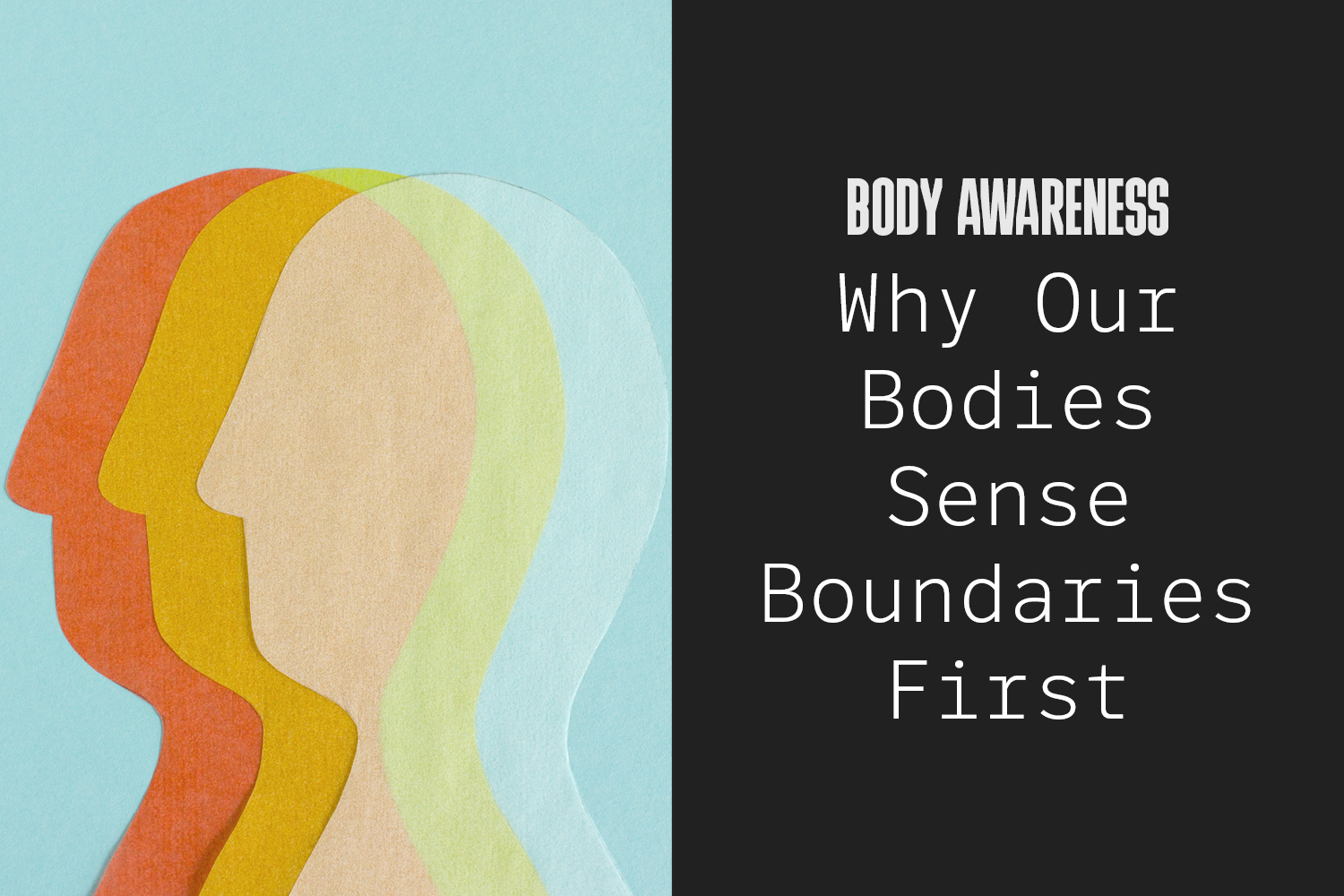
Your body has a way of knowing when you’ve taken on too much. The heaviness in your legs. A tightness behind your eyes after one too many nods, one too many silent agreements.That quiet ache between your shoulder blades that shows up after another conversation you didn’t want to have.
In chiropractic care, we treat physical tension. But often, we find emotional weight underneath. The kind that builds quietly when you’ve been doing too much for too many, for too long.
There’s a difference between offering support and absorbing responsibility. Your body can tell when that line’s been crossed.
People often carry pain they didn’t choose — pain shaped by obligation, loyalty, or the fear of letting someone down. We’re taught that being helpful is noble. That being available makes us good.
This kind of load isn’t always visible. But it leaves a trace.
But when you begin to carry tasks that belong to someone else — emotionally, physically, relationally — your system starts to feel it.
It might look like chronic fatigue. Like muscle tension with no clear cause. Like shallow breathing that never quite satisfies.
These don’t come from injury. They come from overlap. From taking on what belongs to someone else and calling it yours. They’re responses to boundary confusion.
It shows up after saying yes when you meant no. After agreeing for the sake of peace. After choosing silence to avoid conflict.
Your body remembers these moments. But not out of punishment…out of protection.
There’s a kind of overwhelm that shows up in movement. Not just mental load — but physical hesitation. You hesitate to reach. To twist. To bend. As if every action might cost more than it gives.
When we cross into someone else’s task — trying to fix them, manage their reaction, carry their stress — the body often absorbs that ambiguity. Your joints start holding more tension. Your breath forgets its rhythm. Your steps feel slower, heavier.
It’s not laziness. It’s your system trying to create space where none exists.
In sessions, we often see posture that holds the story. Shoulders pulled forward. Jaws clenched. Hips locked down. It’s the body’s way of creating control in the absence of clarity.
In the clinic, clients often apologise for struggling. For not “handling things better.” For not being “stronger.”
But strength isn’t measured by what you absorb. It’s defined by clarity — knowing where your responsibility ends and someone else’s begins.
Part of recovery is knowing what belongs to you. Your thoughts. Your choices. Your physical space. Your emotional energy.
When your body stops trying to manage what isn’t yours, it tends to soften. Posture opens. Movement feels smoother. Energy returns.
That’s not just relief. It’s restoration.
We notice things. Shallow breathing. Braced shoulders. Joints that move like they’re asking for permission.
These aren’t mechanical faults. They’re stories about load, about responsibility, about blurred lines.
An adjustment can help. But sometimes, it’s the conversation around it that shifts the pattern. That moment you realise: This doesn’t belong to me. That’s when the body starts to let go.
Chiropractic care helps unwind those roles. Not just with hands-on work, but with conversation. You start to notice what feels authentic, and what feels rehearsed. The body tends to prefer the former.

Regus Building, 1000 Lakeside North Harbour, Western Road Building, Portsmouth PO6 3EZ

Branding & website design by theshapingbay.com