
Save £40 on initial consultations

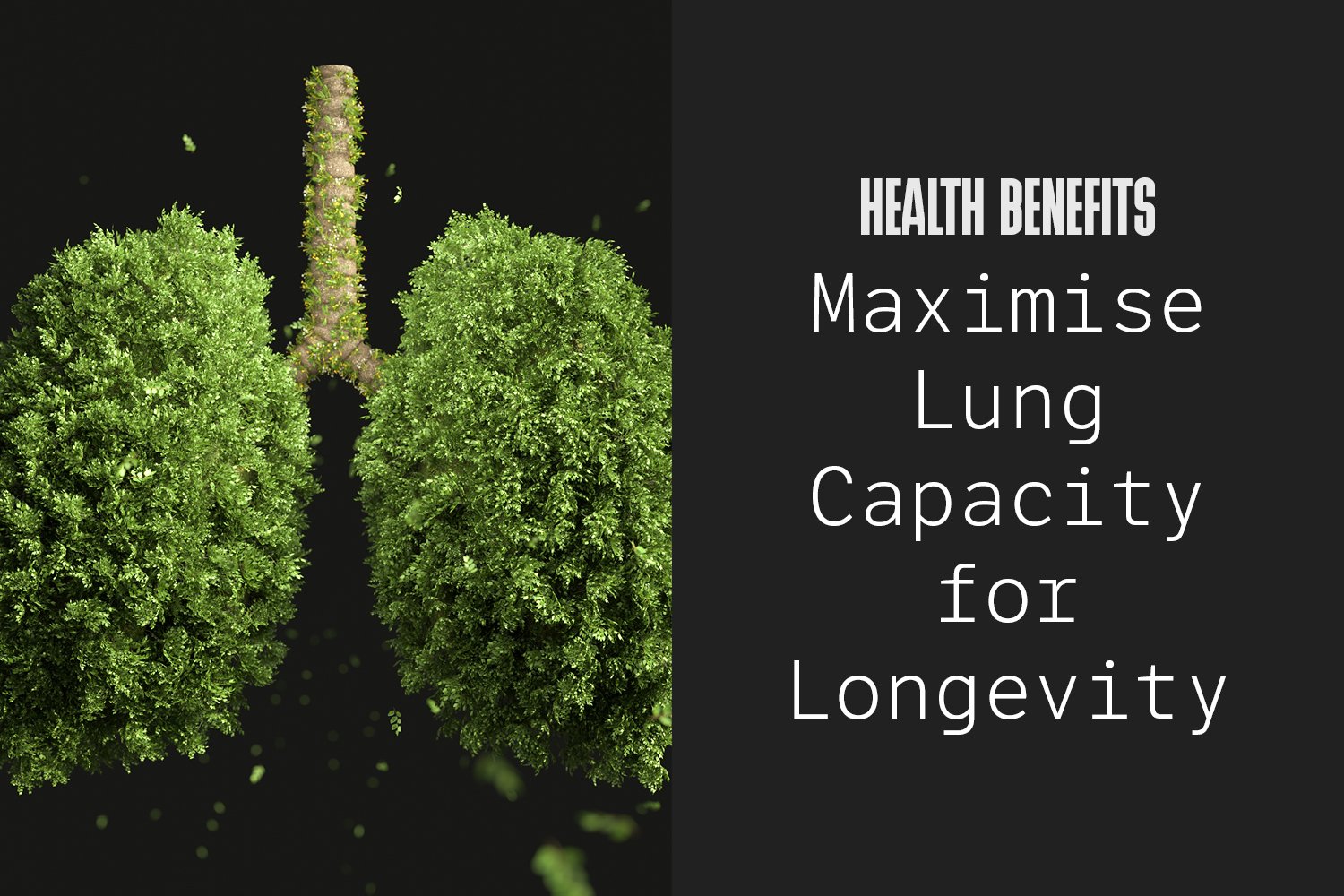
Lung capacity is one of the strongest predictors of long-term health. It influences how well we oxygenate our tissues, regulate our nervous system, and recover from stress. Yet most people never use their lungs to full capacity.
Modern habits—shallow breathing, poor posture, and limited movement—have reduced the space available for breath. Over time, this can affect energy levels, sleep quality, and even lifespan. The good news is that lung function is trainable.
Large lungs are linked to longer life. Studies have shown that lung volume is a better predictor of longevity than cholesterol, blood pressure, or body weight. This is because oxygen is essential for every cellular process.
When lungs are underused, oxygen delivery suffers. The body must work harder to compensate. This can lead to fatigue, inflammation, and reduced resilience.
Using the full volume of the lungs helps maintain healthy blood oxygen levels. It supports brain function, cardiovascular health, and immune response. It also helps regulate the nervous system and reduce stress.
The lungs sit inside the ribcage. If the ribcage is stiff, the lungs cannot expand fully. Flexibility in the chest and spine is essential for deep, efficient breathing.
Simple stretches can help. Side bends, thoracic extensions, and gentle twists open the chest and improve mobility. These movements also release tension in the intercostal muscles between the ribs.
Posture plays a key role. Sitting upright with the chest open allows the diaphragm to move freely. This supports full inhalation and helps prevent shallow, upper-chest breathing.
Exercise is one of the best ways to train the lungs. Moderate aerobic activity increases respiratory rate and strengthens the muscles involved in breathing. It also improves oxygen exchange and carbon dioxide tolerance.
Walking, swimming, cycling, and dancing are all effective. These activities encourage rhythmic breathing and help expand lung volume. They also support cardiovascular health and improve circulation.
Consistency matters more than intensity. Regular movement keeps the lungs active and responsive. It also helps maintain flexibility in the chest and spine, which supports better breathing mechanics.
Most people use only a fraction of their lung capacity. Shallow breathing limits oxygen intake and reduces energy. Deep, full breaths can increase oxygen absorption by up to 15 percent.
This extra oxygen supports every system in the body. It improves focus, reduces fatigue, and enhances recovery. It also helps regulate the nervous system and promote emotional stability.
To breathe fully, engage the diaphragm. Let the belly expand on the inhale and soften on the exhale. This pattern supports deeper lung expansion and better oxygen exchange.
Improving lung capacity does not require complex techniques. A few minutes of focused breathing each day can make a difference. The key is consistency and awareness.
Sit upright with your spine straight. Inhale slowly through the nose for five to six seconds. Exhale gently for the same duration. Let the breath flow smoothly and evenly.
Add gentle movement to support flexibility. Stretch the chest, rotate the spine, and open the shoulders. These actions create space for the lungs to expand.
Your lungs are designed for full, deep breathing. When used properly, they support energy, resilience, and longevity. Small daily habits can help reclaim that capacity.
Stretch your chest. Move your body. Breathe with intention. These simple actions support better oxygenation and a longer, healthier life.

Unit 1B, Beacon House, Northumberland Road, Southsea, Portsmouth PO5 1DS

Branding & website design by theshapingbay.com