
Save £40 on initial consultations

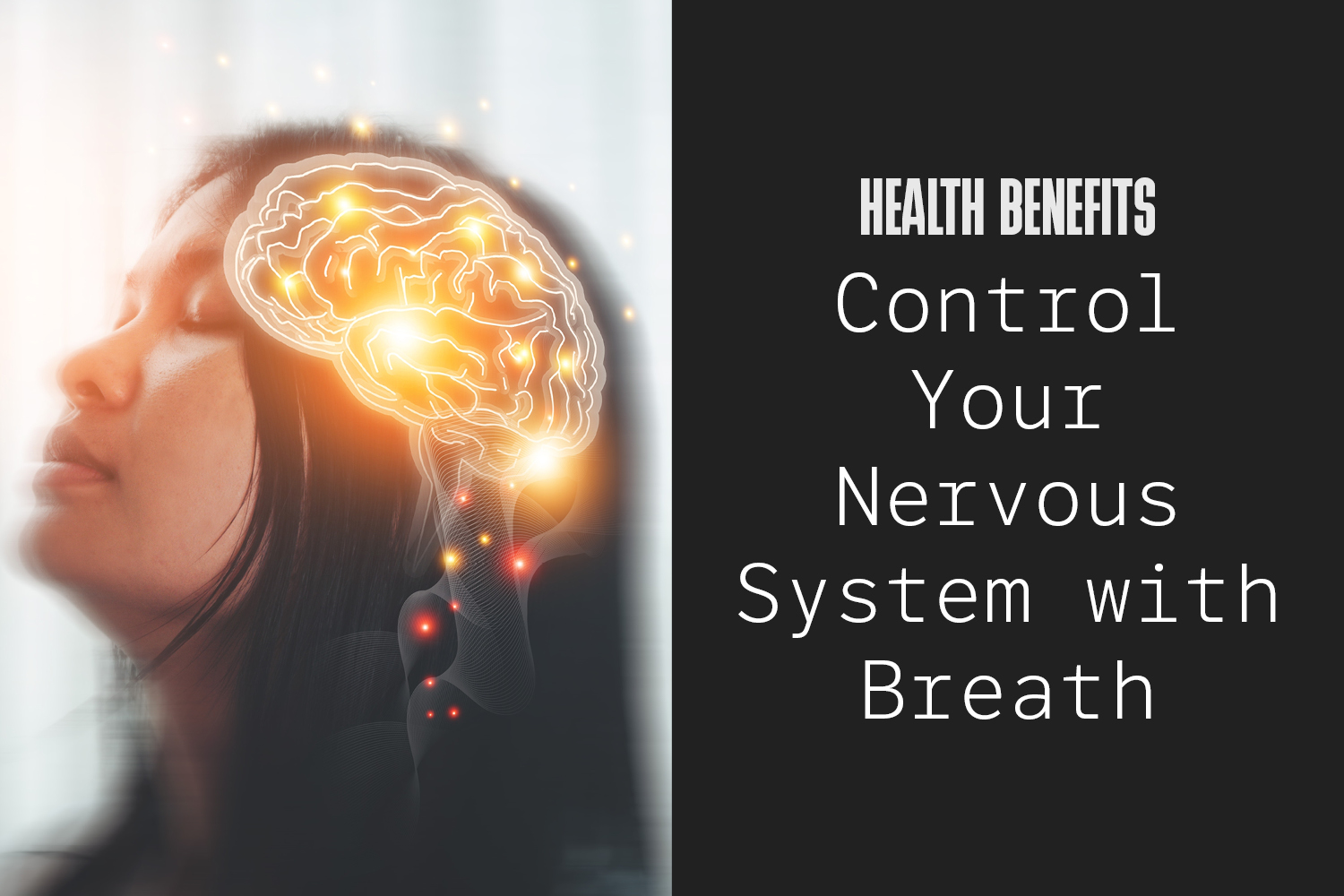
Breathing is one of the few bodily functions we can control consciously. This makes it a powerful tool for influencing the nervous system. And with the right technique, we can shift our internal state in just a few minutes.
The breath acts as a bridge between the body and the brain. It sends signals that affect heart rate, blood pressure, and emotional regulation. By adjusting the rhythm and depth of our breath, we can guide our nervous system towards balance.
The vagus nerve is the longest cranial nerve in the body. It connects the brain to the heart, lungs, and digestive system. It plays a central role in regulating the parasympathetic nervous system.
Slow, steady breathing stimulates the vagus nerve. This helps calm the body and reduce the effects of stress. It also supports digestion, immune function, and emotional stability.
Breathing through the nose and engaging the diaphragm enhances this effect. It sends a clear signal to the brain that the body is safe. This allows the nervous system to shift into a more restorative state.
The amygdala is the part of the brain responsible for detecting threats. It helps us respond quickly to danger. But in modern life, it can become overactive and trigger anxiety unnecessarily.
Rapid, shallow breathing can reinforce this pattern. It keeps the body in a state of alertness. This makes it harder to relax or think clearly.
Slow nasal breathing helps regulate the amygdala. It reduces the perception of threat and supports emotional regulation. Over time, this can help reduce chronic anxiety and improve mental clarity.
The sympathetic nervous system prepares the body for action. It increases heart rate, redirects blood flow, and heightens alertness. This response is useful in emergencies but can be harmful when constantly activated.
Breathing patterns influence this system directly. Fast, shallow breaths can trigger the fight-or-flight response. This keeps the body in a state of low-level stress.
By slowing the breath and engaging the diaphragm, we can interrupt this pattern. The body begins to shift out of defence mode. Muscles relax, the heart rate slows, and the mind becomes clearer.
Conversely, the parasympathetic system supports rest, recovery, and repair. It helps the body digest food, heal tissues, and regulate emotions. Activating this system is essential for long-term health.
Coherent breathing is one of the most effective ways to do this. Breathing in for 5.5 seconds and out for 5.5 seconds creates a steady rhythm. This rhythm supports heart rate variability and signals safety to the brain.
When the body feels safe, it can begin to restore itself. Sleep improves. Digestion becomes more efficient. Emotional resilience increases.
Breathing is free, accessible, and easy to practise. It does not require equipment or special training. All that is needed is a few minutes of focus.
Sit upright with your spine straight. Inhale gently through the nose for 5.5 seconds. Exhale slowly for the same duration. Repeat this cycle for five to ten minutes.
This simple practice can help regulate the nervous system. It supports better sleep, clearer thinking, and a greater sense of calm. Over time, it builds resilience and improves overall wellbeing.
The way we breathe shapes the way we feel. It influences the nervous system, the brain, and the body’s ability to recover. Coherent breathing offers a practical way to reset and restore.
In moments of stress, the breath is always available. It provides a quiet signal of safety. And it reminds us that control, clarity, and calm are just a breath away.

Unit 1B, Beacon House, Northumberland Road, Southsea, Portsmouth PO5 1DS

Branding & website design by theshapingbay.com